Dear young South Carolinians,
You deserve to have a voice when it comes to your civil rights, even when our leaders make it their mission to strip them away.
When I was a kid, I was allowed to read whatever I wanted. I felt empowered in my reading decisions as a teen, being able to discover books that sparked my interest and challenged my thinking in school and at my library. I had so little control over my life, so books became the world in which I felt free.
School board members, elected officials, and other adults want to take these worlds and your freedom away from you by banning books.
Ironically enough, I think South Carolina Education Superintendent Ellen Weaver said it best when she said: “It is unfortunate, in my opinion, that there are adults and narratives who have actively misled you about what this regulation [Regulation 43-170] does and doesn’t do”
Leaders like Ellen Weaver and legislators will tell you that taking away books from you makes you safer.
They will tell you that restricting access to books about survivors of violence, experiences of race in America, and LGBTQ+ characters will keep you safe. But I see every one of you looking to find your own story in the pages of a book. Looking to be seen. Looking to feel free.
You have every right to speak up to the adults who are taking rights away from you. Here are some tips if you want to give a comment during a school board meeting or write an email to your school board member.
1. Be clear and concise: Focus on the problem, how it affects you, and what you would like to see changed. For emails, try to keep it 2-3 paragraphs or no more than 200 words. For speeches, prepare 5-minute, 3-minute, and 1-minute versions in case they limit time for each person speaking if a lot of people sign up.
2. Speak to your direct experience as a student and why you care: They can make policies all day, but it is important for them to see how their policies affect students day to day.
3. Be polite and professional: I know I can get emotional (mostly angry and frustrated) when I feel like I am advocating for common-sense policies that make everyone feel included, but we have to stay professional and keep the snark to a minimum.
4. Practice and get feedback: Send what you wrote to a friend or adult to review and practice your speech in front of a mirror, especially to make sure you are under the 5-minute time limit
5. Lean into community, find groups of students who care about fighting book censorship.
- The ACLU of South Carolina has started Students for Justice, a youth-led advocacy group that organizes around issues affecting youth and students in South Carolina, such as book banning, attacks on DEI policies, classroom censorship, school discipline, and more.
- Harriet Handcock Center in Columbia has a book club to join.
- See if there is a local DAYLO (Diversity Awareness Youth Literacy Organization) near you.
Signed,
Your favorite Radical Bookstore in South Carolina, Liberation is Lit

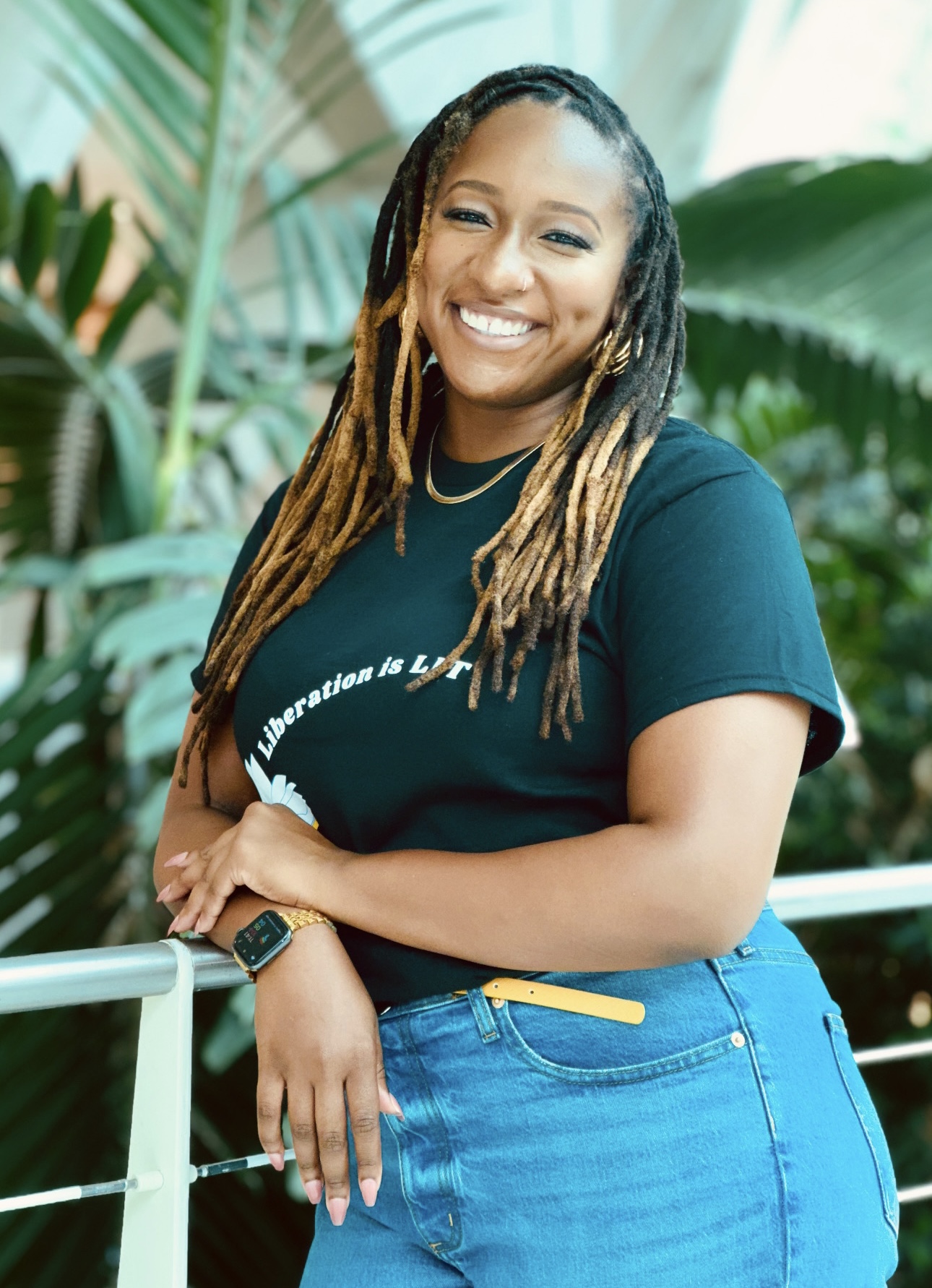
Learn more about Liberation is Lit
Liberation is Lit is a bookstore that aims to spark collective action for liberation and community building among readers and book lovers by promoting stories from intersectional experiences. Learn More