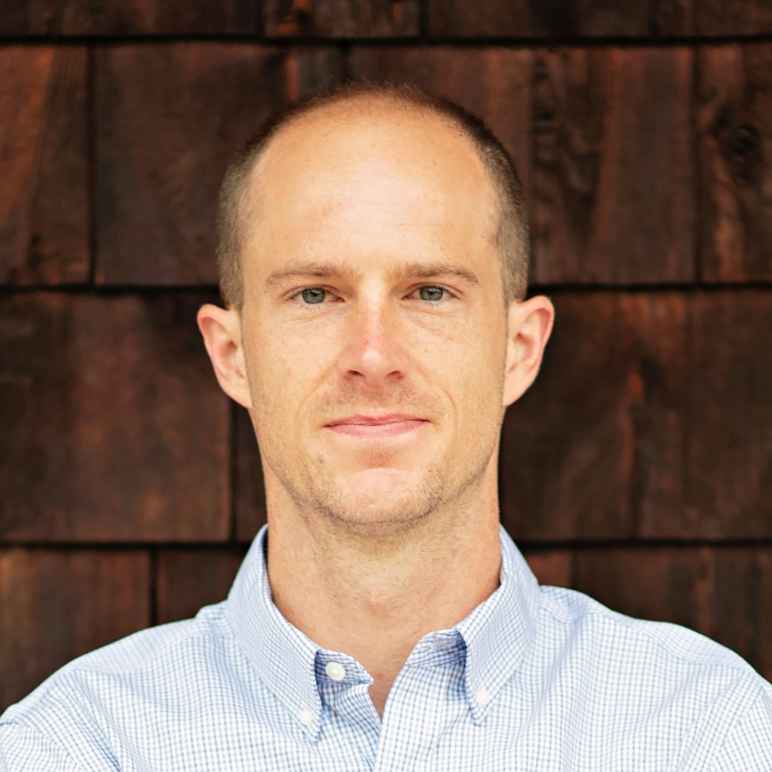
ACLU-SC Legal Director Allen Chaney
As published in The Post and Courier on Dec. 22, 2025
When the Justice Department announced federal investigations into the Alvin S. Glenn and Sheriff Al Cannon detention centers in 2023, advocates and community leaders thought accountability was finally coming to Richland and Charleston counties.
So far, we were wrong.
Right before President Trump took office, the DOJ confirmed that conditions at the Columbia jail violate the Constitution.
Its investigation revealed rampant gang violence, weapons, drugs, inadequate staffing, and "an ongoing failure to protect incarcerated people from violence." But nearly a year later, the Justice Department hasn't filed a lawsuit or taken meaningful action. The Charleston investigation, also initiated in 2023, has produced nothing at all.
This may be bureaucratic slowness. But judging by the DOJ's priorities under the Trump administration, it’s more likely a silent abandonment. Walking away from these investigations, without even an explanation, betrays the people who trusted the system. Two years ago, then-Assistant Attorney General Kristen Clarke promised that DOJ would listen to "all relevant stakeholders" and warned that "life may be at stake." Families documented how their loved ones died. Former inmates risked retaliation to report abuse. They believed that when federal investigators promise action, they follow through.
This is all the more troubling given that Bryan Stirling, who now leads South Carolina's U.S. Attorney's Office, spent over a decade running the state's prison system. If anyone should understand the urgency of protecting people in custody, it's him.
Walking away from these investigations, without even an explanation, betrays the people who trusted the system.
Yet under his leadership, the office has done nothing.
This inaction has consequences. South Carolinians will die (and have died) who could have been saved. Local advocates' efforts have been wasted. The U.S. Attorney's Office has lost credibility.
The gravity of the situation cannot be overstated. In 2022, Lason Butler died of dehydration at Alvin S. Glenn after two weeks in a cell without running water. His body was found covered in rat bites. In 2023, Antonius Randolph lay dead in his own blood for eighteen hours after being beaten by other inmates—a foreseeable result of operating a jail with doors that don't lock. These aren’t isolated incidents; the facility reported 60 stabbings in 2023 alone.
Al Cannon in Charleston is no better. In 2021, Jamal Sutherland—a man suffering from mental illness—died after deputies knelt on his back and tased him ten times while he gasped, "I can't breathe." In 2022, D'Angelo Brown died after jail staff stopped his psychiatric medications, a death the coroner called homicide by "gross medical neglect."
While the Justice Department prosecutes Trump’s political enemies, defies court orders, and hemorrhages career lawyers, the death toll in South Carolina keeps growing. In August 2025, Mary Brucato died at Al Cannon because jail staff neglected her medical needs. As with Mr. Brown, the coroner ruled it homicide.
This level of avoidable suffering must transcend partisanship. The government can’t rip someone off our streets, dump them into a cage, then refuse to provide food, water, medical care, or protection from violence. And when local authorities repeatedly and egregiously violate the Constitution, the federal government must step in—regardless of which party holds power.
South Carolina deserves better. The Justice Department must finish these investigations, file lawsuits, and force these facilities to change. The families who trusted federal investigators deserve answers. The thousands still incarcerated deserve safety. When the government makes promises to vulnerable people and walks away, it doesn't just betray them—it undermines the entire justice system.
As jail deaths continue to pile up, it’s past time that we get answers. Will the Justice Department finish what it started and fight for the justice that our communities were promised? Or will local priorities remain on the backburner for the sake of the president’s partisan crusade?
Unfortunately, I think eleven months of silence rings loud and clear.
Allen Chaney is the legal director of the ACLU of South Carolina.
