
News & Commentary
Mar 07, 2020
South Carolina Must Stop Shackling Pregnant People Who Are Incarcerated
Last week, South Carolina Senators voted unanimously to advance legislation seeking to limit the types of restraints used on pregnant people who are incarcerated and virtually abolish the practice of shackling people during labor, childbirth, and postpartum recovery. The legislation will return to the House of Representatives with a new amendment which would further expand protections for pregnant incarcerated people.If passed as amended, South Carolina’s prisons, jails, and work camps would be required to provide access to adequate nutrition and a bottom bunk and would be prohibited from holding pregnant incarcerated people in solitary confinement under most circumstances. The amendment also requires prisons, jails, and work camps to ensure the availability of menstrual hygiene products for all people under their care with an active menstrual cycle and mandates that these products be made available at no cost to those who cannot afford to pay. Additionally, the Department of Corrections would be required to authorize weekly contact visits between incarcerated people with low or minimum-security classifications and their children.The practice of shackling incarcerated people while they are pregnant, in labor, giving birth, and recovering from birth has been opposed by the nation’s leading experts in maternal, fetal, and child healthcare, including the American Congress of Obstetricians and Gynecologists (ACOG), the American Medical Association, and the American Public Health Association. Additionally, the Federal Bureau of Prisons, U.S. Immigration and Customs Enforcement and the American Correctional Association have all adopted policies to limit the use of shackles on pregnant people who are incarcerated. Across South Carolina, criminal justice and reproductive health advocates have come together to support this legislation. The organizations include the ACLU of South Carolina; ANSWER Coalition; the Association of Women’s Health, Obstetric, and Neonatal Nurses (AWHONN); the South Carolina Perinatal Association; Justice Carolina; and the Women’s Rights and Empowerment Network.We are thrilled to be one step closer to ending the cruel and inhumane practice of shackling incarcerated people during labor, childbirth, and postpartum recovery and we urge the South Carolina House of Representatives to pass this legislation as amended and greatly increase the likelihood of positive outcomes for parents and their newborn children.

Mar 06, 2020
South Carolina’s Coronavirus Response Plan Must Protect the Health, Safety, and Civil Liberties of All
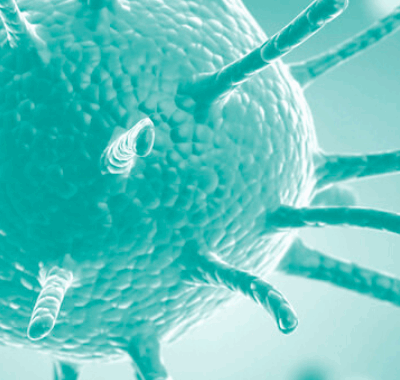
Last Monday a group of over 800 public health experts and organizations signed a public letter warning that widespread transmission of COVID-19 within the United States is “inevitable.” This letter includes recommendations to federal, state, and local leaders on achieving a fair and effective response to the coronavirus outbreak.We urge South Carolina leaders to follow these recommendations.People in prisons and jails are highly vulnerable to outbreaks of contagious illnesses. They are housed in close quarters and are often in poor health. Without the active engagement of the prison administration, they have little ability to inform themselves about preventive measures or to take such measures if they do manage to learn of them. We are particularly concerned because incarcerated individuals have historically faced harm during emergencies in South Carolina. For example, South Carolina has failed to evacuate incarcerated people from its prisons during mandatory hurricane evacuations.All South Carolinians are at greater risk when people are unable to afford testing and treatment. Diseases like COVID-19 do not distinguish between people with comprehensive health insurance policies and those without. To limit the transmission of the virus, responses to COVID-19 must ensure that all people have access to testing and treatment.COVID-19 does not care who is undocumented. Health care facilities must be declared “immigration enforcement-free zones” --- and that declaration must be well-publicized. South Carolina’s response must dismantle all barriers to testing and treatment, including the fear within immigrant communities that an individual could be picked up by ICE if they seek medical help.South Carolina must support people who cannot afford to miss work or lack paid sick leave. All South Carolinians face increased risk if people hide their condition and go to work because they cannot afford to miss a paycheck. The government must work with employers to ensure that workers are supported in voluntarily staying home when sick, even if they’re not sick enough to go to the hospital.Information regarding COVID-19 must be transparent and timely. Political leaders will be more likely to maintain public trust and cooperation if their public statements are accurate and based in science.Finally, voluntary isolation measures are more effective than coercive measures. While the use of a mandatory quarantine may be justified if it is scientifically supported and proportional, people are more likely to cooperate with voluntary isolation measures.It is essential that all government officials follow these experts’ recommendations to help ensure a response plan that protects the health, safety, and civil liberties of all.
Feb 07, 2020
South Carolina Must Invest in Alternatives to Juvenile Incarceration
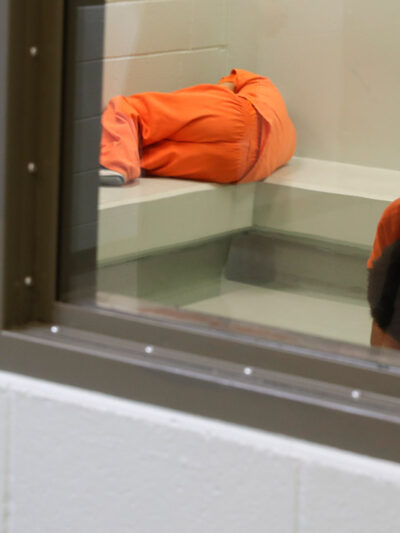
In a report released on February 5, 2020, the U.S. Department of Justice concluded that conditions at Broad River Road Complex, the South Carolina Department of Juvenile Justice’s long-term juvenile incarceration facility, violate the Fourteenth Amendment to the U.S. Constitution by placing children in its custody in serious harm by failing to guarantee their general safety and frequently abusing isolation. We’ve been sounding the alarm on these issues since 2015 when we first requested an investigation after hearing numerous reports of children being subjected to the horrific practice of punitive, prolonged solitary confinement. SCDJJ’s mission is to “protect the public and reclaim juveniles through prevention, community programs, education, and rehabilitation services in the least restrictive environment.” Instead, much like their adult counterparts, incarcerated children in South Carolina are being held in violent, inhumane conditions which place them at acute risk for permanent physical and psychological damage.
Jan 13, 2020
Coercive Plea Bargaining Has Poisoned the Criminal Justice System. It’s Time to Suck the Venom Out.
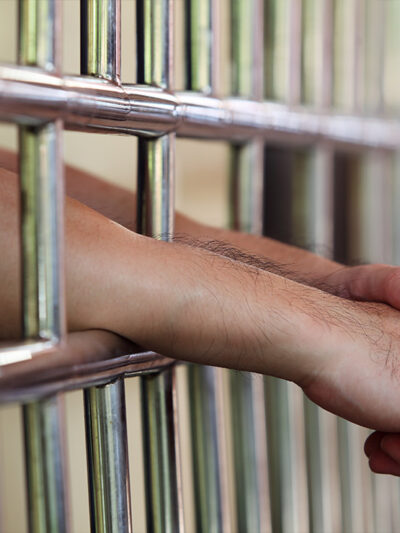
In 2006, George Alvarez was charged with assaulting a prison guard while awaiting trial on public intoxication. He knew he didn’t do it — the guards actually jumped him — but the ten year mandatory minimum sentence at trial scared him so much that he pled guilty. Little did he know that the government had a video proving his innocence, but they buried it long enough for prosecutors to extract the plea first. George spent almost four years behind bars fighting for his innocence before finally being exonerated.
Dec 05, 2019
Senators Reveal Their Plans to Protect Consumer Privacy Online
Neema Singh Guliani, Former Senior Legislative Counsel, American Civil Liberties Union
Dec 03, 2019
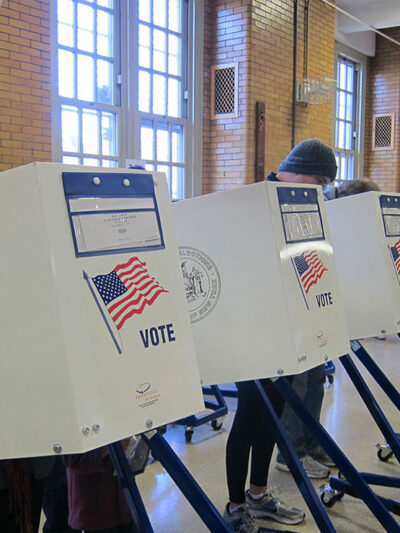
Congress Must Act to Protect the Right to Vote
Sonia Gill, Senior Legislative Counsel, ACLU
Nov 18, 2019
Students Told They Would Be Better Off ‘If They Had Jesus in Their Life’
The ACLU and the ACLU of Tennessee filed a lawsuit against the Smith County School System for violating the separation of church and state on Monday. According to the lawsuit, four students who are atheists have had to contend with school officials promoting Christianity through official prayers, Bible distributions, religious posters, and even a giant cross painted in one of the school’s athletic facilities.

Nov 15, 2019
The Size of Your Wallet Should Never Determine Your Freedom
Lea Allison is a 30-year-old Alamance County resident and mother to a 6-year-old daughter. She has been living with relatives because she cannot afford to live on her own, but was about to start a new job that she hoped would provide her and her daughter with financial stability.

Stay Informed
Sign up to be the first to hear about how to take action.
By completing this form, I agree to receive occasional emails per the terms of the ACLU’s privacy statement.
By completing this form, I agree to receive occasional emails per the terms of the ACLU’s privacy statement.
