S.C. Republican Party v. Bolchoz

  • Filed: Jul 6, 2026
  • Latest Update: Aug 3, 2026
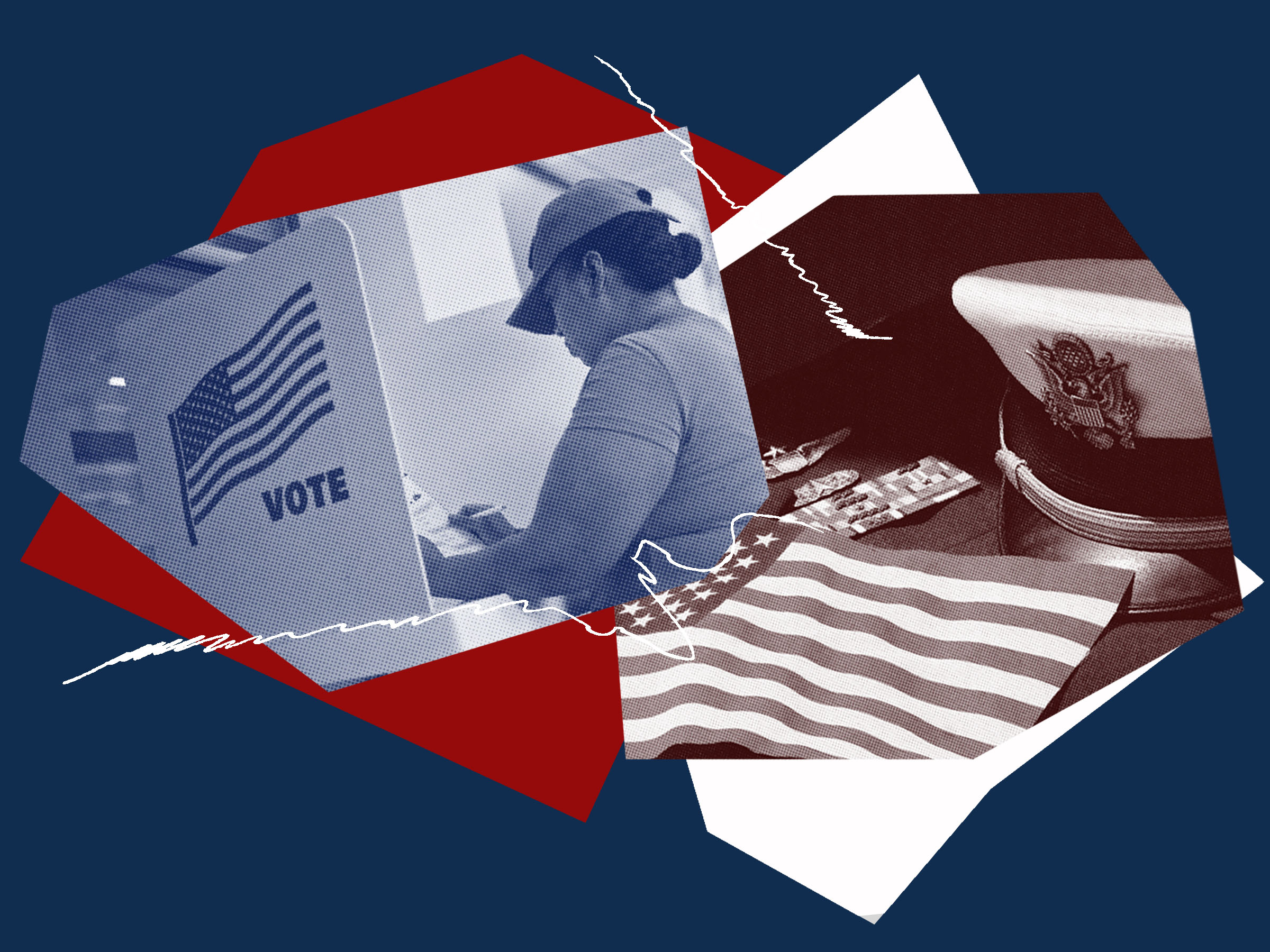
Image collage with a picutre of a woman in a military uniform voting and a picture of an American flag laid next to a formal military uniform.

Summary


On July 6, 2026, the South Carolina Republican Party sued State Election Commission Chairman Robert Bolchoz and other election officials in federal court, demanding that the state government force voters to register with a party to vote in primary elections.

Under South Carolina’s existing semi-open primary system, any registered voter may choose to vote in one major party’s primary during an election cycle. But if the state’s dominant political party succeeds in court, it will effectively lock independent voters out of these pivotal elections.

The ACLU of South Carolina represents two nonpartisan organizations of military veterans, Veterans for All Voters and The Chamberlain Network, who filed a motion to intervene in the case on the side of the state defendants. Both organizations advocate for open, fair, and transparent elections, and both represent politically independent veterans who would be excluded from voting in primaries if the state closes primaries.

Why this case?

To quote our clients’ Motion to Intervene, “If South Carolina primaries are closed, the independent and unaffiliated voters who cannot vote for the Republican nominee will be stripped of their vote in the decisive election and become bystanders to the democratic process.”

By forcing voters to register with a party to participate in primaries, the state would be locking independent voters out of elections that are administered with public tax dollars. Closing primaries would be especially harmful to veteran voters, who are more likely than the general population to identify as political independents.

Access to primary elections is crucial in states like South Carolina where electoral maps are openly gerrymandered for partisan advantage. Congressional, State House, and State Senate districts are so aggressively gerrymandered that, in many electoral contests, the decisive contest happens in the party primary. Of the 177 current electoral districts drawn by the state legislature, only 17 were drawn to produce competitive general elections.

In some races, the primary election is the only chance to vote. In the 2026 election cycle, for example, data from the South Carolina Election Commission identifies 56 elections where the primary is the only contested election.

As established previously in court, the state has an interest in increasing voter participation (see Greenville County Republican Party Executive Committee v. South Carolina, 2011, denying an identical facial challenge to semi-open primaries). Closing primaries would decrease participation in crucial primary elections that already have low turnout.

The latest

Veterans for All Voters and The Chamberlain Network filed a motion to intervene in South Carolina Republican Party v. Bolchoz on August 3, 2026. The U.S. District Court will decide whether to grant the motion.

Case Number:
3:26-cv-2699-MGL

Learn More About the Issues in This Case


Related Content


Know Your Rights
Sep 10, 2024
Vote Your Values
  • Democracy & Voting Rights

Voting Information Center